

Finding the best skin care routine for your skin type shouldn’t feel like a guessing game. Whether you are dealing with midday shine or winter flakiness, your skin is constantly sending you signals. The key to a glowing complexion isn’t found in the most expensive bottle but in understanding your skin’s unique biological needs and protecting your skin barrier.
In this guide, we will explore how to build a dermatologist-recommended skincare plan tailored specifically to you.

Your Skin, Understood
— 2026 —
How to Identify Your Skin Type at Home
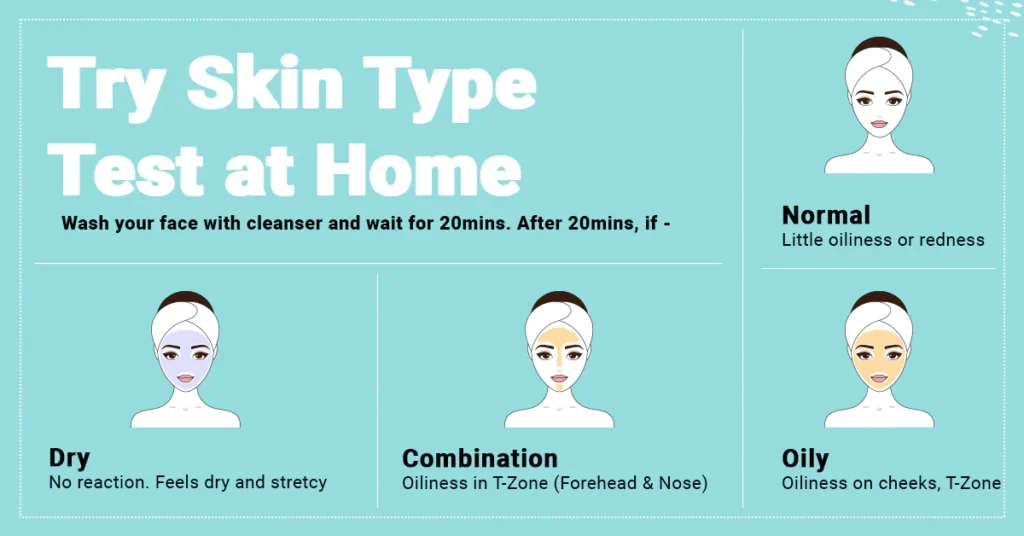
Before you buy another product, you need to know your starting point. Use the “Bare-Face Method”: wash with a gentle cleanser, wait 30 minutes, and observe.
1. Best Skin Care Routine for Sensitive Skin
If your skin reacts with redness or stinging, you likely have sensitive skin. Your goal is skin barrier repair. Focus on fragrance-free formulas and soothing ingredients like aloe or cica.
- Top Tip: Avoid harsh physical scrubs; they create micro-tears in delicate skin.
2. Best Skin Care Routine for Oily Skin
Oily skin is caused by excess sebum control issues. You might see enlarged pores or a constant shine. Use a salicylic acid wash and a lightweight, water-based moisturizer.
- Top Tip: Skipping moisturizer makes oily skin produce more oil. Always hydrate!
3. Best Skin Care Routine for Dry Skin
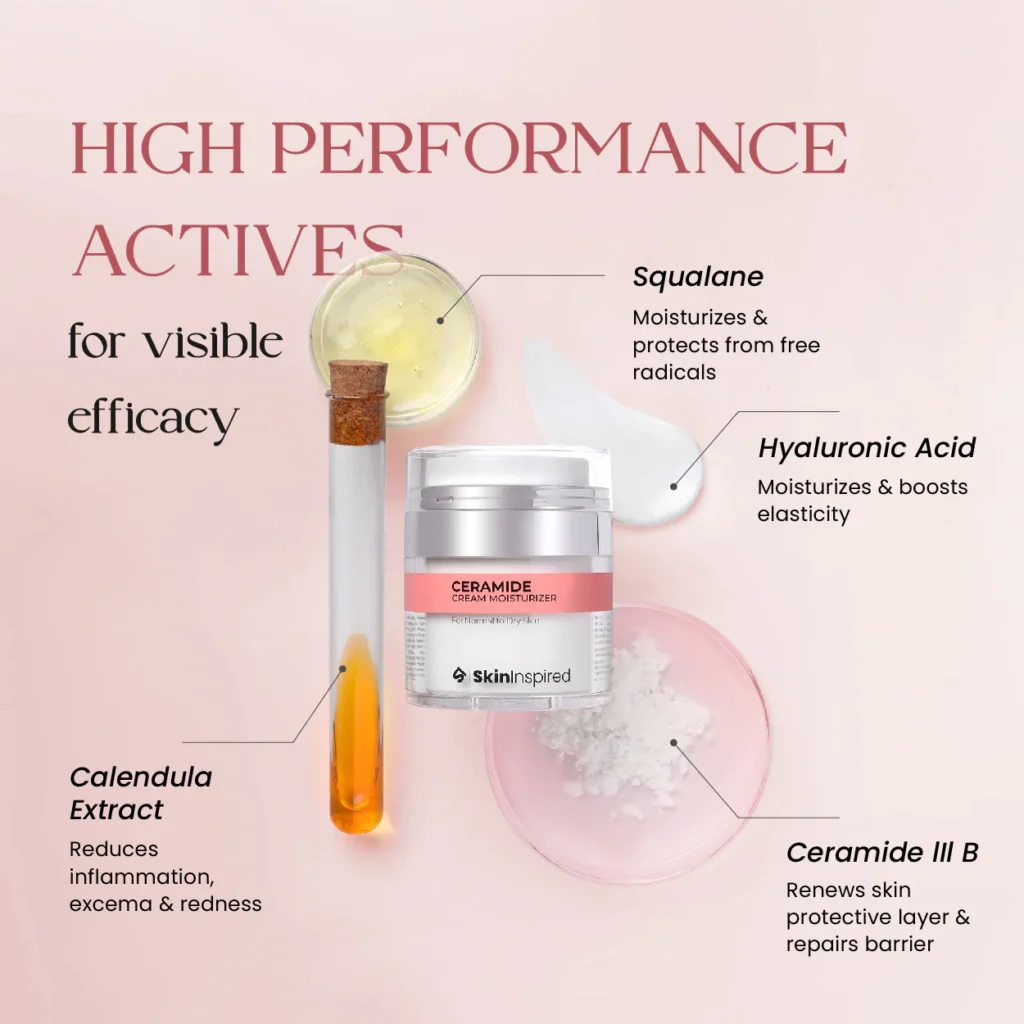
Dry skin lacks natural oils and often feels tight. You need to focus on hydration vs. moisture by using rich creams with ceramides and hyaluronic acid to lock in water.
- Top Tip: Apply your creams to damp skin to maximize absorption.
4. Best Skin Care Routine for Combination Skin
This type features an oily T-zone but dry cheeks. It’s a balancing act. You may need to use different products on different areas of your face to keep everything harmonious.
- Top Tip: Multi-masking is your best friend—clay on the nose, moisture on the cheeks.
5. Best Skin Care Routine for Acne-Prone Skin
For those prone to breakouts, look for non-comedogenic ingredients that won’t clog your pores. Consistency with active ingredients like benzoyl peroxide or niacinamide is vital.
- Top Tip: Change your pillowcases weekly to reduce bacterial transfer to your face.
Why Consistency is Your Greatest Ingredient - No matter your type, the best skincare routine for your skin type only works if you do it. Skincare is a marathon, not a sprint. It takes about 28 days for your skin cells to turn over, so give any new routine at least a month before you decide it’s not working.
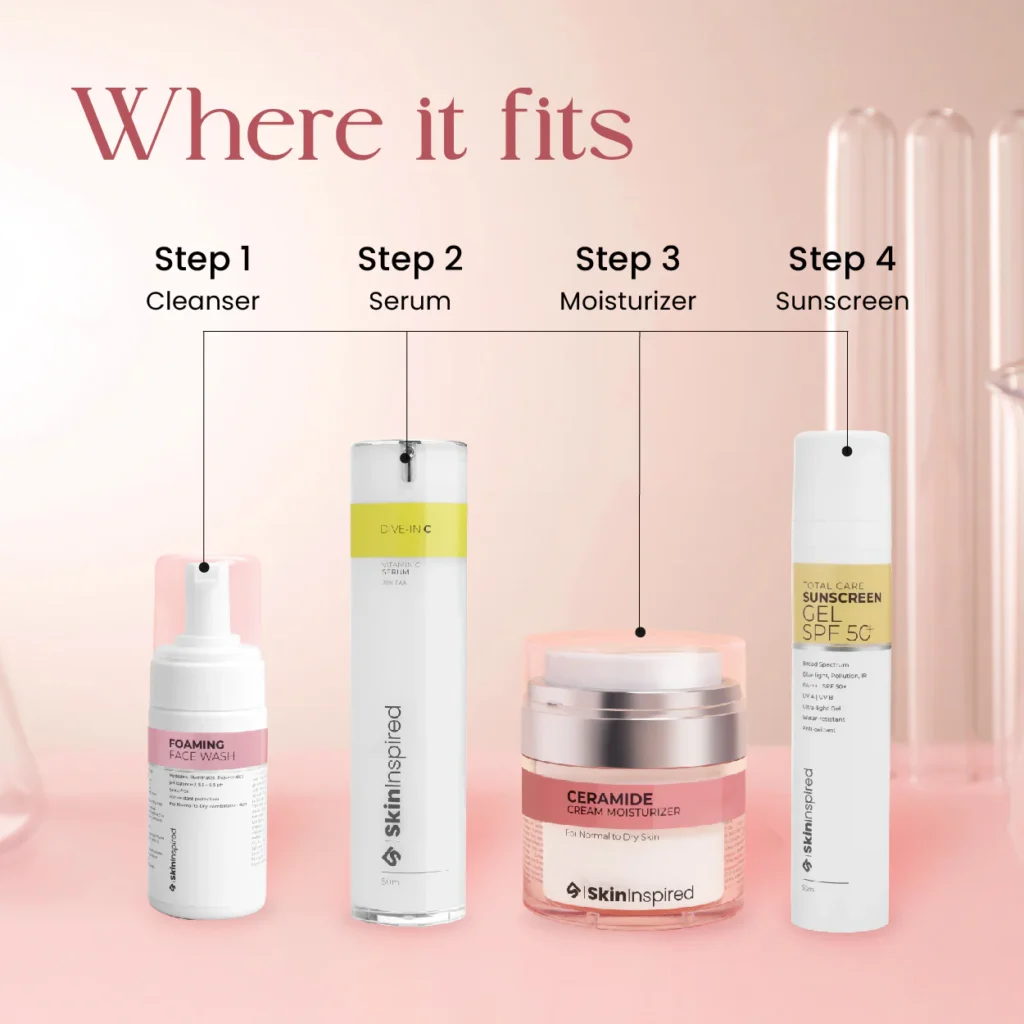
- In 2026, the trend is “skinimalism”—using fewer, high-quality products rather than a 10-step routine that confuses your skin. Focus on the basics: Cleanse, Treat, Moisturize, and never skip your SPF.
Final Thoughts: Embracing Your Skin’s Journey
At the end of the day, the best skin care routine for your skin type is the one you actually enjoy doing. Skincare shouldn’t feel like a chore or a complicated science experiment. It is a form of self-care—a few minutes every morning and night to check in with yourself.
Remember that skin is dynamic. It changes with the seasons, your stress levels, and even your diet. Don’t be afraid to adjust your products as your environment shifts. By staying consistent and listening to what your skin is telling you, you’ll achieve that healthy, effortless glow that no amount of makeup can replicate.
Frequently Asked Questions (FAQ)
1. Can my skin type change over time?
Yes, absolutely! It’s very common for someone to have oily skin in their teens and 20s, only to transition to dry skin in their 40s and 50s. Hormonal changes, climate, and aging all play a role in how your skin behaves. Always reassess your “Best Skin Care Routine for Your Skin Type” at least once a year.
2. How long does it take to see results from a new routine?
Patience is the most important “ingredient” in skincare. Your skin cells take about 28 to 30 days to regenerate. While some hydrating products give an instant glow, active treatments for acne or dark spots can take 6 to 12 weeks of consistent use to show a visible difference.
3. Is it possible to have two skin types at once?
Usually, this is what we call Combination Skin. However, you can also have “Dehydrated Oily Skin.” This happens when your skin lacks water (dehydration) but still produces too much oil (skin type). This is why using a lightweight, water-based hydrator is essential for almost everyone.
4. Do I really need to wear sunscreen if I’m indoors?
If you are sitting near a window, yes! UVA rays (the ones responsible for aging and skin cancer) can penetrate glass. The best skin care routine for your skin type is incomplete without a daily SPF of at least 30. It is the number one way to prevent premature aging and hyperpigmentation.
5. What are non-comedogenic ingredients?
“Non-comedogenic” is a term used for products that are formulated specifically not to block or clog your pores. If you have oily or acne-prone skin, this label is a must-have to ensure your routine doesn’t lead to more breakouts.
Read other blogs.
know about good sunscreen according to you skin types = https://glowandglamme.com/sunscreen/
Tags: acne prone skin, combination skin, dry skin, indian skin, oily skin, sensitive skin, skin type, skincare